The debate between digital and analog watches has existed since the first electronic displays hit the market. While analog watches offer a traditional and often formal aesthetic, digital watches have carved out a massive following thanks to their precision, durability, and functional features. Choosing the right one depends on your personal style, daily activities, and how you prefer to read the time.
Understanding the Core Differences
The primary difference between these two types of timepieces lies in how they display information. Analog watches use a clock face with moving hands (hours, minutes, and sometimes seconds) to indicate time. Digital watches, on the other hand, use an electronic display—typically LCD or LED—to show time in numerical digits.
The Appeal of Analog Watches
Analog watches are often viewed as the more traditional choice. They are frequently associated with formal wear and professional settings. Many users appreciate the mechanical feel and the visual representation of time passing as the hands move around the dial. However, they often lack the extra features found in digital counterparts unless they are high-end chronographs.
The Practicality of Digital Watches
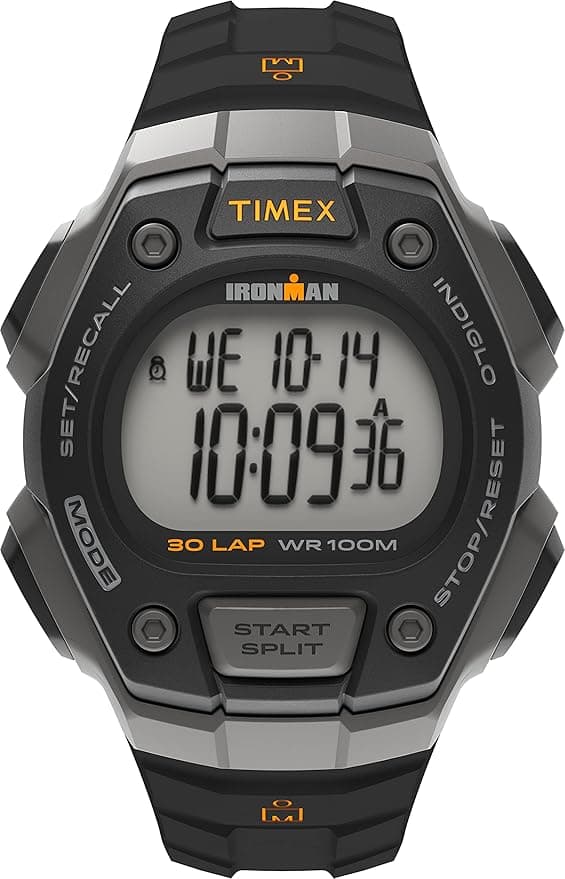
Digital watches are designed for utility and ease of use. They are incredibly easy to read at a glance, which is why they are favored by students, athletes, and professionals in fast-paced environments. Modern digital watches, such as those from Casio and Sonata, offer a range of built-in tools that analog watches rarely provide in the same price bracket.
Key Features to Consider
- Accuracy: Digital watches are generally more precise as they rely on quartz movement and electronic circuits.
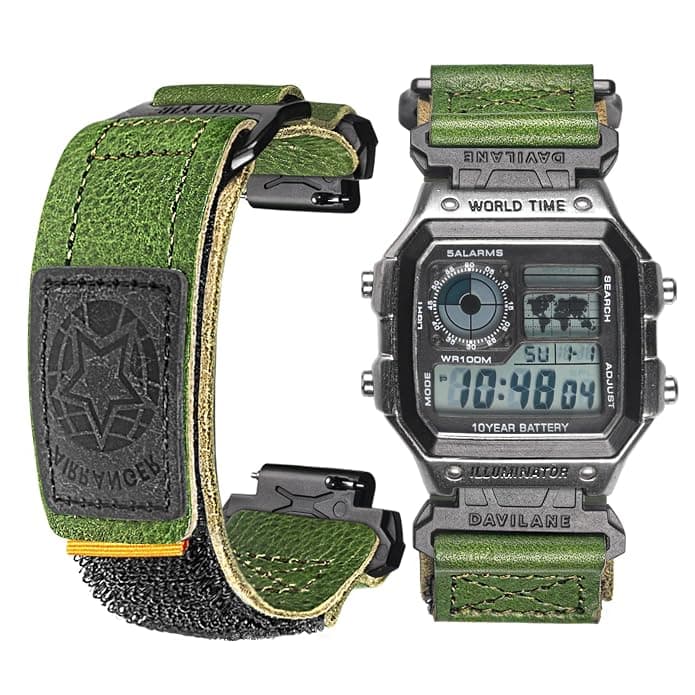
- Functionality: Most digital watches include features like stopwatches, daily alarms, and backlights for night viewing.
- Durability: Digital watches, especially those with resin or stainless steel builds, are often more resistant to shocks and vibrations.
- Battery Life: While both can last years, some digital models are famous for exceptional battery longevity, often reaching up to 7 years.
When to Choose a Digital Watch
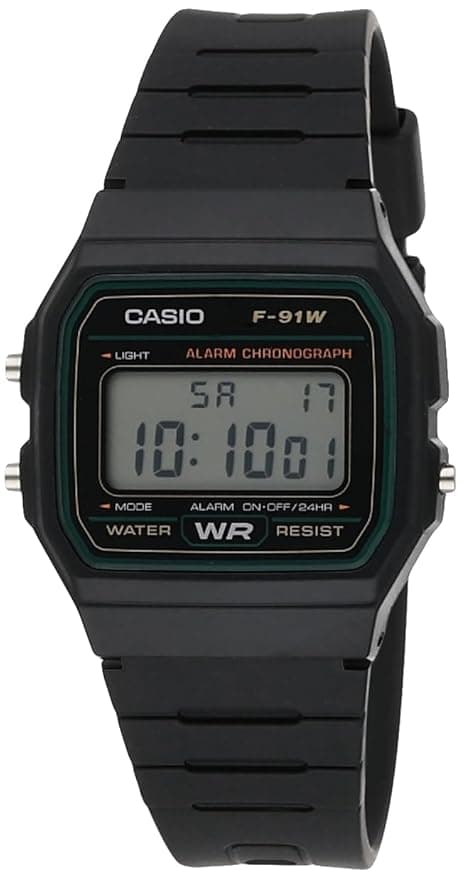
If your daily routine involves physical activity, precise timing, or if you simply prefer a no-nonsense approach to timekeeping, a digital watch is likely your best bet. They are particularly popular in India for their affordability and ruggedness. For instance, the Casio F-91W is a legendary choice for those who need a lightweight, reliable tool that can withstand daily wear and tear.
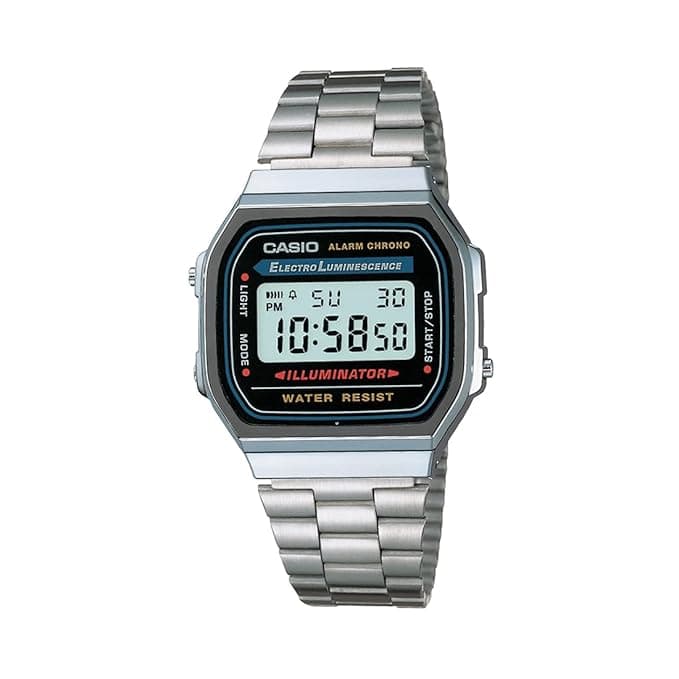
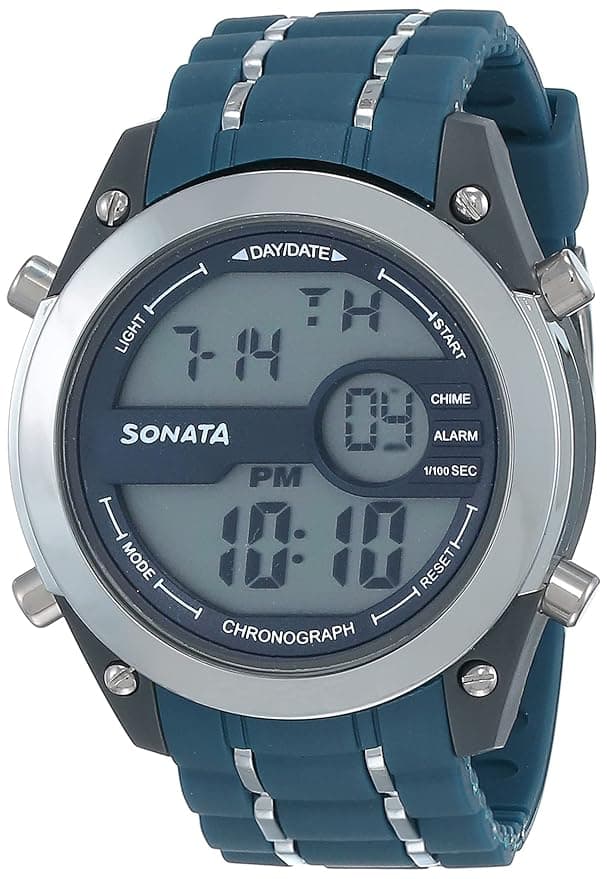
For those who want a bit more style without sacrificing digital convenience, retro-inspired models like the Casio Vintage A168WA-1 offer a silver-tone finish that pairs well with both casual and semi-formal Indian attire. Meanwhile, brands like Sonata provide budget-friendly options that focus on clear displays and ergonomic comfort for students and office-goers.
When choosing between digital and analog, consider your wardrobe and your environment. If you spend most of your time in formal meetings, an analog watch might complement your look better. However, if you need a watch for the gym, outdoor commutes, or a busy school schedule, a digital watch offers superior functionality. Look for features like water resistance and a reliable backlight if you plan on wearing the watch 24/7. For the best value, digital watches often provide more features (like alarms and stopwatches) at a lower price point than entry-level analog watches.
Ultimately, the choice between digital and analog comes down to your lifestyle. Digital watches offer unmatched practicality and a suite of useful features for the modern user. Whether you prefer the retro charm of a Casio or the straightforward reliability of a Sonata, a digital timepiece is a versatile investment for any wardrobe.